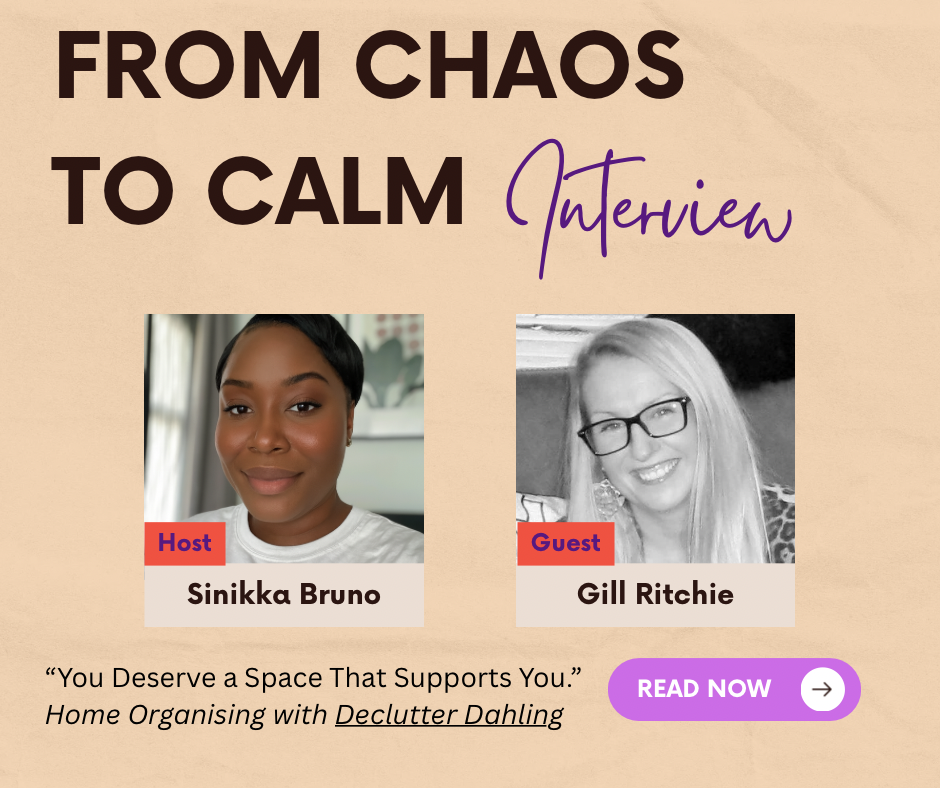
As the season of gatherings, gratitude, and giving approaches, our homes become the heart of it all. With Thanksgiving and Christmas just around the corner, now is the perfect time to make space — both physically and emotionally — for what truly matters.
If the idea of organising before the holidays feels overwhelming, you’re not alone. Thankfully, support exists in the form of compassionate professionals like Gill Ritchie, founder of Declutter Dahling, who helps people create calmer, more manageable homes that nurture rest and wellbeing all year round.
At Wander and Rest Life, we love spotlighting people and companies who make life gentler for those living with chronic illness, fatigue, pain, or neurodivergence. This month, we sat down with Gill to talk about her work, her philosophy, and her belief that peaceful spaces help us breathe easier — especially during the busiest time of year.
“Declutter Dahling” — The Beginning
“When a friend suggested I’d be great at being a Professional Declutterer and Organiser, I did some research and thought — why not?”
After a career in financial services marketing, a well-timed redundancy offered Gill the space to pause and reflect on what she really wanted next. Years of helping friends and family calm their clutter — plus years of living in small London apartments — honed her natural talent for creating order.
In 2014, she took the leap and Declutter Dahling was born, combining her professional experience with her passion for supporting others to live more peacefully.
The Link Between Organisation and Wellbeing
“An organised home creates a peaceful environment that supports mental calm, emotional stability, and physical comfort.”
Gill believes the way we live in our homes directly affects our sense of rest and wellbeing.
“When our surroundings are in order,” she explains, “our minds can relax. Clutter creates a constant sense of chaos and overstimulation. A tidy space reduces stress, improves focus, and helps us sleep better.”
For those managing chronic illness, this sense of calm can be deeply restorative — providing both emotional stability and physical ease.
💛 Small Changes, Big Relief
“Less to manage means more energy for what matters.”
Gill’s approach is especially mindful of people living with fatigue, pain, or neurodivergence. Her advice? Start small and make your space work for you.
-
Simplify and minimise — keep only what supports your daily life.
-
Create accessible zones so essentials are easy to reach.
-
Label or colour-code items for clarity and ease.
-
Use transparent containers to reduce mental effort.
-
Build consistent routines and use assistive tools where possible.
-
And always keep a rest-friendly area — a space designed purely for recovery and peace.
💤 The Bedroom: A Sanctuary of Rest
“If your bedroom is calm and organised, you can always escape there when the rest of your home feels busy.”
Gill recommends starting with the bedroom — the heart of daily rest. Clearing surfaces, using soft lighting, and keeping décor simple can instantly change how the space feels.
A peaceful bedroom not only supports better sleep and mood but also sets the tone for a more balanced day. Once that core space feels calm, Gill suggests moving on to the next most important — or most stressful — room in your home.
🌸 Supporting Clients with Emotional Attachments
“Clutter often holds emotional meaning — memories, identity, or grief. Listening without judgment helps people feel safe.”
Decluttering can be emotional work. Gill approaches every session with empathy and patience, focusing on progress rather than perfection.
She encourages clients to keep what truly adds value to their current life, and to find gentle ways of honouring memories — through photos, memory boxes, or simply letting go with gratitude.
“Supporting clients with emotional attachments is about creating a safe space where they feel understood and in control,” she says.
🌼 Gentle Habits for Calm Spaces
“Maintaining a restful home doesn’t require big efforts — just small daily habits.”
Gill’s everyday advice for keeping order:
-
Tidy a little each day.
-
Give everything a home.
-
Keep surfaces clear.
-
Use trays or baskets for small items.
-
Limit visual clutter so your favourite pieces can shine.
-
Build tiny rituals, like making the bed each morning.
These small acts add up — cultivating peace and predictability that benefit both body and mind.
🏡 What “Home” Means to Gill
“Home is a calm (but colourful) organised space where I can close the door to the rest of the world and just ‘be’.”
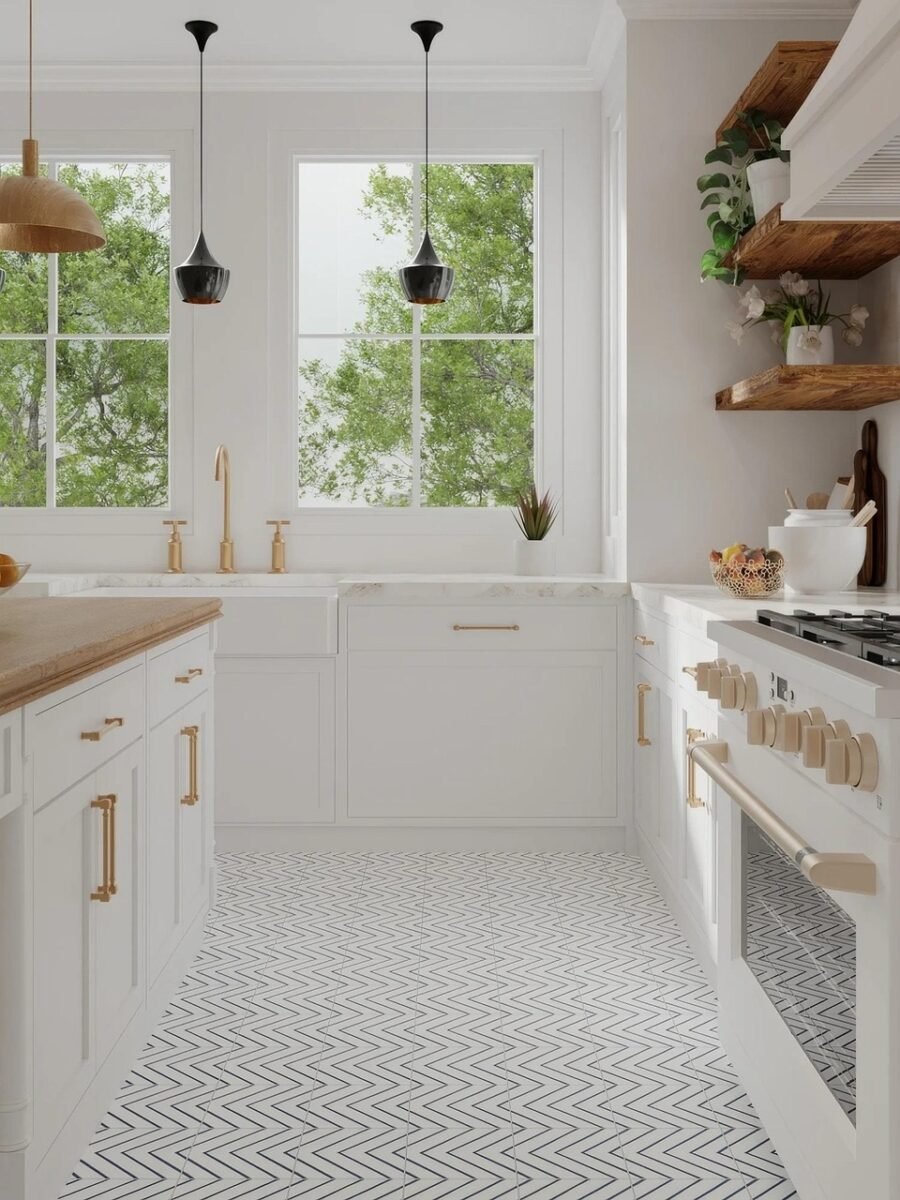
For Gill, home is all about ease — a space where everything has a place, routines flow naturally, and the atmosphere invites rest. A comforting fragrance, she adds, is the finishing touch that tells her mind she’s truly home.
🌷 One Step at a Time
“Start small — but start somewhere.”
Gill’s final advice for anyone feeling overwhelmed by clutter is simple: begin with one small, manageable task.
“Tackle a single drawer, a shelf, or your bedside table,” she says. “Completing even one small area creates momentum. Each win shifts your space — and your mindset — from chaos to calm.”
Connect with Gill

📍 Ealing, London
📞 +44 (0)7939 515 073
📧 gill@declutterdahling.com
Wander Well Tip:
Your rest begins where your home breathes. This season, take one gentle step toward simplicity — whether it’s clearing a single surface or inviting someone like Gill to help you find calm again.
🖋 Interview by:
Sinikka Fisher-Bruno
Founder of Wander and Rest Life CIC and Fibro + Flourishing
Comments are closed