

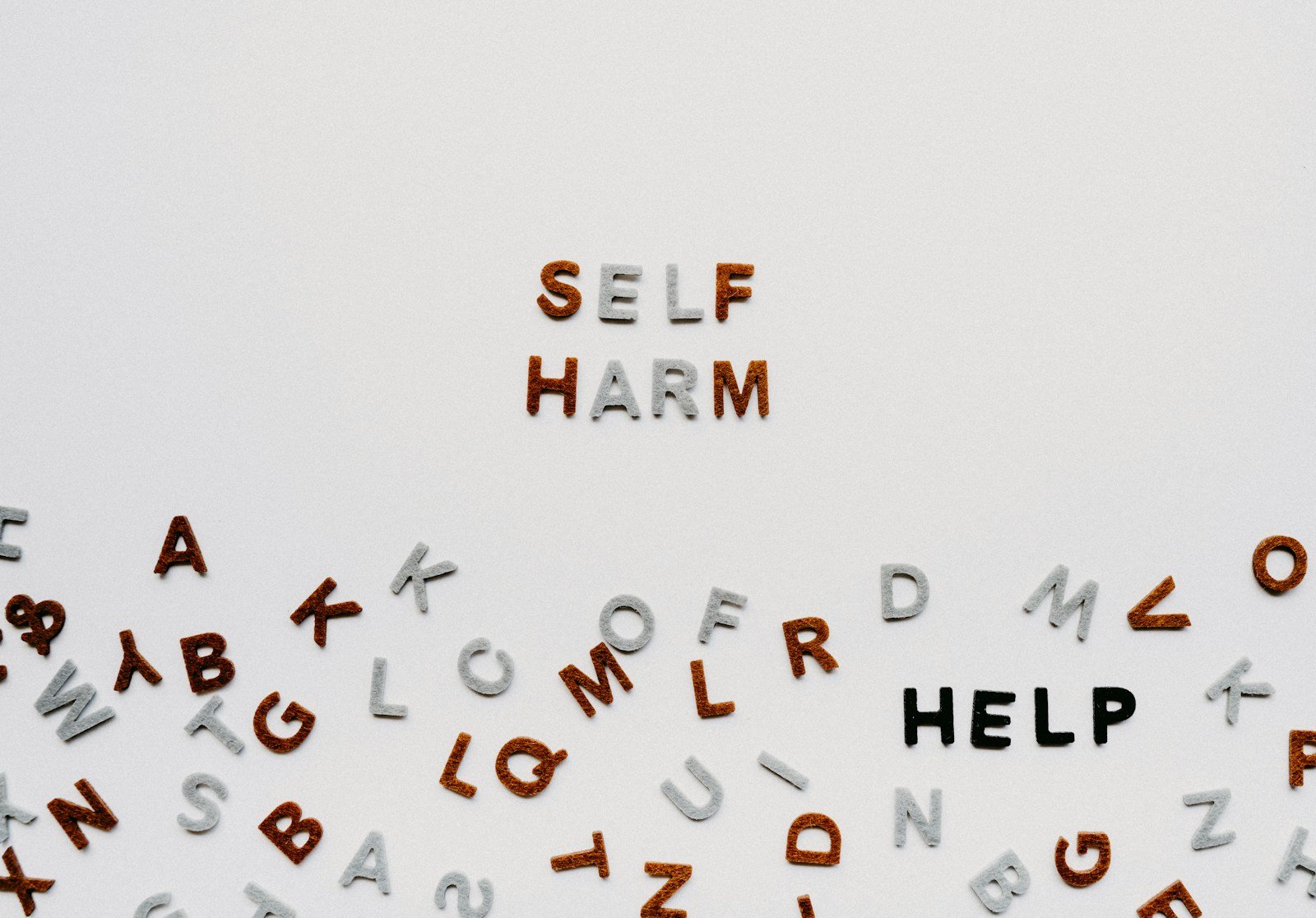
Fibromyalgia, Self-Harm, and the Pain People Don’t Talk About
Fibromyalgia is often described as chronic pain, but those of us living with it know the truth is far bigger than that.
It’s the exhaustion that never lifts.
The pain that shifts and spreads.
The brain fog that steals words.
The grief of a body that no longer works the way it used to.
And layered beneath all of that is something rarely spoken about openly:
The emotional toll of living in relentless pain — and how, for some, that can lead to self-harm.
This blog isn’t here to shock or alarm.
It’s here to name what’s often ignored.
Fibromyalgia is invisible — but the impact is not
People with fibromyalgia are frequently:
-
dismissed
-
told to “push through”
-
labelled anxious, dramatic, or negative
-
left waiting years for diagnosis and support
That kind of invalidation doesn’t just hurt emotionally — it erodes trust, safety, and self-worth.
When pain is constant and support feels out of reach, coping can become about survival, not wellbeing.
Self-harm is not about attention — it’s about coping
There is a dangerous myth that self-harm is “attention-seeking behaviour”.
In reality, self-harm is often:
-
a way to release overwhelming emotion
-
a response to feeling trapped in pain
-
an attempt to regain control over a body that feels out of control
-
a way to feel something when numbness takes over
For people with fibromyalgia, self-harm may sit at the intersection of:
-
chronic pain
-
fatigue and burnout
-
medical trauma
-
loss of identity
-
feeling unheard or disbelieved
It is not weakness.
It is a signal of distress.
Why this link is often overlooked
Fibromyalgia awareness tends to focus on:
-
pain scales
-
medication
-
physical management
Mental health is often treated as a separate issue, when in reality, the body and mind are deeply connected.
Many people with fibro:
-
mask their distress well
-
are carers, parents, professionals
-
fear being judged or having care withdrawn
-
worry they won’t be taken seriously if they speak honestly
So the hardest parts are kept quiet.
When coping becomes about survival
Self-harm does not mean someone wants to die.
Often, it means they are trying to keep going.
But surviving shouldn’t require hurting yourself.
People living with fibromyalgia deserve:
-
pain management and emotional support
-
trauma-informed care
-
belief and compassion
-
safe spaces to speak honestly without fear
Healing is not about “being positive”.
It’s about being supported.
If this resonates with you
If you’ve ever:
-
hurt your body to cope with pain or numbness
-
felt ashamed for struggling “too much”
-
been told to just try harder or stay positive
Please hear this clearly:
You are not broken.
You are responding to something incredibly hard.
Support exists, and safer ways of coping are possible — even if it doesn’t feel that way right now.
Support (UK)
If you need someone to talk to:
-
Samaritans – 116 123 (24/7)
-
Text SHOUT to 85258 – free, confidential support
-
Speak to your GP or pain team
If you are in immediate danger, call 999.
Fibromyalgia awareness must include mental health
Raising awareness isn’t just about recognising pain —
it’s about recognising the whole person living with it.
Fibromyalgia awareness means:
-
seeing invisible struggles
-
challenging stigma
-
creating space for honest conversations
-
and reminding people they are not alone
If this blog helps even one person feel seen, it matters.
Comments are closed